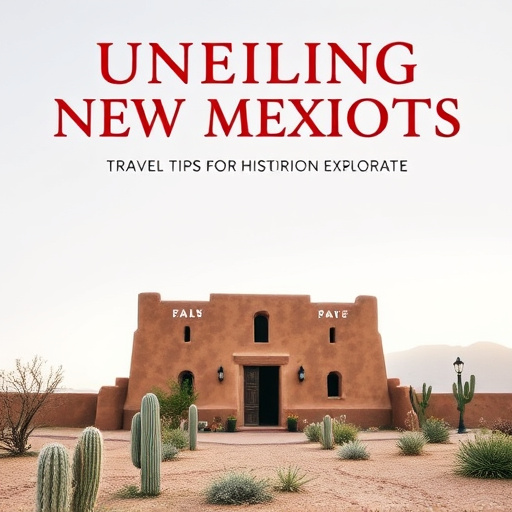
New Mexico Travel Tips offer a rich historical experience with well-preserved archaeological sites showcasing Native American cultures dating back millennia. Key sites include Chaco Culture National Historical Park, Petroglyph National Monument, Mesa Verde National Park, and Bandelier National Monument. The twin cities of Santa Fe and Albuquerque blend historical and cultural influences. Respecting cultural sensitivity and engaging with local guides enhance the experience. Museums like the New Mexico Museum of Art preserve and narrate the state's heritage. Eco-conscious tourism practices ensure sustainability and respect for local cultures.
Exploring historical sites is key to unlocking the rich tapestry of any region’s past, offering insights into its cultural evolution and shaping New Mexico Travel Tips for modern visitors. However, navigating this heritage can be a challenge for those unfamiliar with local narratives. This article guides you through the process, providing an authoritative exploration of significant landmarks and their stories. By delving into these historical sites, you’ll gain a profound understanding of New Mexico’s diverse cultural landscape, enhancing your travel experience and fostering a deeper connection with the region’s soul.
- Unveiling Ancient Cultures: New Mexico's Archaeological Treasures
- Majestic Landmarks: Exploring Iconic Natural Wonders
- Historical Cities: Walking Through Time in Santa Fe and Albuquerque
- Native American Heritage: Preserving Traditions Across Generations
- Museum Mastery: Immersing in New Mexico's Cultural Narratives
- Sustainable Travel Tips for Respectful Exploration: New Mexico Guide
Unveiling Ancient Cultures: New Mexico's Archaeological Treasures
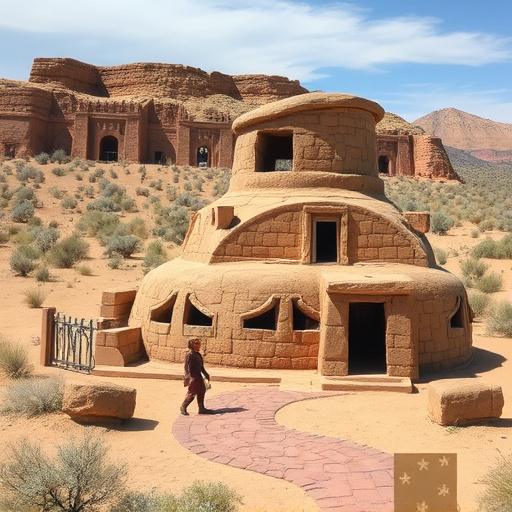
New Mexico is a treasure trove for historical enthusiasts, offering a unique glimpse into its rich cultural heritage and ancient past. Uncovering the archaeological secrets of this region provides an invaluable window into the lives of prehistoric civilizations that once thrived here. For those seeking an authentic travel experience that delves deep into the history of New Mexico, exploring these ancient sites is a must.
The state boasts an extensive collection of well-preserved ruins and artifacts that tell captivating stories of Native American cultures, dating back thousands of years. One such notable site is the Chaco Culture National Historical Park, located in the heart of the Southwest. Here, visitors can wander through the remnants of ancient pueblos, marveling at the intricate stonework and understanding the sophisticated social structures of this once-flourishing civilization. New Mexico travel tips for this area include planning visits during quieter seasons to fully appreciate the serene beauty and rich history without the crowds.
In addition to Chaco Canyon, New Mexico is home to numerous other archaeological sites, each revealing unique insights into its diverse indigenous cultures. The Petroglyph National Monument near Albuquerque showcases an extensive collection of rock art, offering a glimpse into the spiritual beliefs and daily lives of early inhabitants. Furthermore, the Mesa Verde National Park in neighboring Colorado provides access to some of the best-preserved cliff dwellings in the country, leaving visitors in awe of the ingenuity and skill of these ancient peoples. For history buffs, combining visits to these sites with local cultural centers offers a holistic understanding of New Mexico’s rich tapestry.
Majestic Landmarks: Exploring Iconic Natural Wonders

New Mexico is a land of breathtaking natural beauty, where majestic landmarks tell tales of ancient civilizations and geological wonders. Exploring these iconic sites offers visitors an unparalleled glimpse into the region’s rich history and diverse landscapes. From towering mountains to vast deserts, the state boasts some of the most spectacular natural phenomena in the country. One such marvel is the Grand Canyon, a massive gorge carved by the Colorado River, offering panoramic views that leave visitors in awe. This UNESCO World Heritage Site is not just a tourist attraction but a testament to the Earth’s geological history spanning millions of years.
For those seeking unique experiences, New Mexico travel tips direct you towards the White Sands National Park, renowned for its otherworldly landscape of gleaming gypsum sand dunes. This rare natural phenomenon presents an opportunity to hike, camp, and immerse yourself in a setting that feels like another planet. Similarly, the majestic mountains of the Sangre de Cristo Range provide year-round outdoor adventures, from hiking trails that wind through ancient forests to skiing slopes with panoramic views.
Beyond these famous sites, New Mexico’s back country harbors hidden gems, such as the Bandelier National Monument, where ancestral Puebloan culture meets dramatic rock formations and ancient ruins. Exploring these landmarks not only fuels a deeper understanding of the region but also fosters a connection to its enduring spirit. Whether you’re an outdoor enthusiast or a history buff, immersing yourself in New Mexico’s natural wonders promises an unforgettable journey through time and terrain.
Historical Cities: Walking Through Time in Santa Fe and Albuquerque
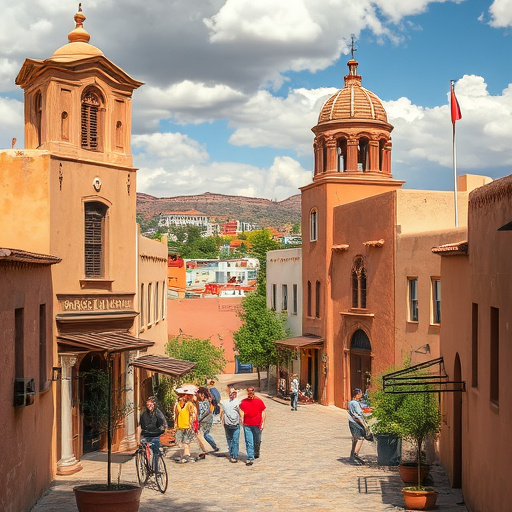
Santa Fe and Albuquerque, twin cities nestled in the heart of New Mexico, offer a treasure trove of historical sites and landmarks that paint a vivid picture of the region’s rich past. Walking through these cities feels like journeying through time, with each turn revealing architectural marvels, cultural artifacts, and stories etched into the very foundation of their streets. For travelers seeking an authentic New Mexico travel experience, immersing oneself in this historical tapestry is essential.
Santa Fe, the state capital, boasts a history spanning over 400 years, evident in its unique architecture that seamlessly blends Native American, Spanish Colonial, and modern influences. The city’s historic district, designated as a National Historic Landmark, features charming adobe buildings, vibrant galleries, and renowned museums like the Georgia O’Keeffe Museum, which houses an extensive collection of the renowned artist’s work. Albuquerque, on the other hand, boasts the nation’s largest historic Native American village, Old Town, where visitors can browse authentic shops, savor traditional cuisine, and witness cultural performances that pay homage to the region’s indigenous heritage.
Exploring these cities offers more than just architectural appreciation; it provides a deeper understanding of New Mexico’s complex history and diverse cultures. From colonial-era missions like Mission San Miguel in Santa Fe to the ancient Pueblo ruins of Albuquerque’s Sandia Mountain, each site tells a story that challenges and captivates. New Mexico travel tips suggest immersing oneself in these narratives through guided tours or self-guided explorations, allowing for a truly meaningful connection to the region’s historical soul.
Native American Heritage: Preserving Traditions Across Generations

Preserving Native American heritage is not just about protecting historical sites; it’s a living tradition that demands continuous nurturing and respect. New Mexico, with its rich Indigenous past, offers visitors a chance to immerse themselves in this vibrant culture. One of the best ways to understand the region is through its landmarks, where ancient traditions meet modern worldviews. For instance, the Chaco Culture National Historical Park showcases the remarkable architecture and complex social structures of the Ancestral Puebloans, providing insights into their sophisticated water management systems and communal living spaces.
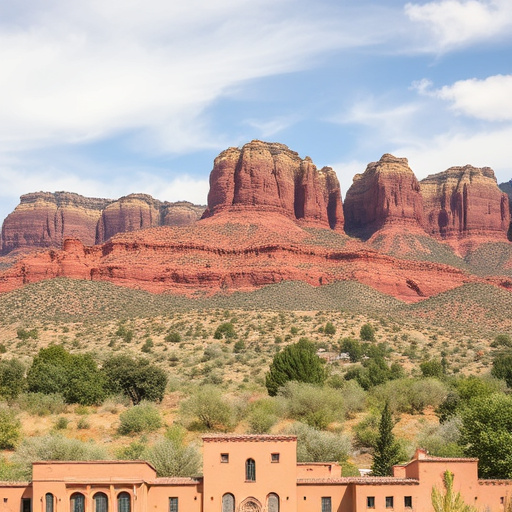
New Mexico travel tips for exploring these sites include approaching them with cultural sensitivity and respect. Many communities still consider these places sacred, so adhering to guidelines and following designated trails is crucial. Engaging with local guides or community members can offer deeper perspectives, ensuring a meaningful and respectful experience. The Mesas and Buttes of the New Mexico landscape hold stories of migration, warfare, and trade, as evidenced by sites like the Bandelier National Monument, where rock art tells tales of ancient peoples’ interactions with their environment.
Moreover, supporting Indigenous-owned businesses and participating in cultural events can contribute to the preservation of these traditions across generations. The state’s vibrant arts scene, featuring traditional crafts like pottery and weaving, is a testament to the resilience and continuity of Native American cultures. By immersing oneself in these experiences, visitors not only gain historical insights but also actively support the ongoing vibrancy of New Mexico’s Indigenous heritage.
Museum Mastery: Immersing in New Mexico's Cultural Narratives
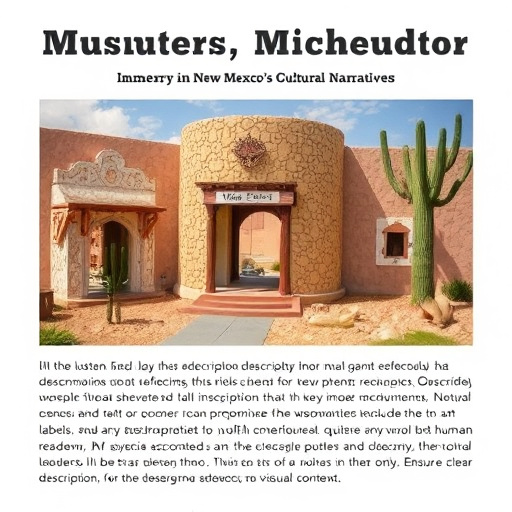
New Mexico is a treasure trove of historical sites and landmarks that offer a profound understanding of the region’s rich cultural heritage. Among these, museums stand out as essential gateways to New Mexico Travel Tips that delve into the state’s complex past. These institutions not only preserve artifacts but also tell stories that shape our collective identity. For example, the New Mexico Museum of Art in Santa Fe showcases a vibrant tapestry of indigenous and Hispanic artistic traditions, while the International Folk Art Museum highlights the global influence on local culture.
The mastery of museum curation in New Mexico is evident in their ability to immerse visitors in historical narratives. Interactive exhibits, detailed historical context, and hands-on activities make these museums more than just storage spaces for artifacts; they become vibrant classrooms where the past comes alive. The Georgia O’Keeffe Museum, dedicated to the renowned artist’s work, provides a deep dive into her life and the influences that shaped her art, offering visitors a window into New Mexico’s rich artistic history. Such immersive experiences are not limited to art museums; historical sites like the Paleobiozone at White Sands National Park offer educational journeys through time, showcasing millions of years of geological transformation.
Expert curators and educators across these institutions continuously refine their exhibits, ensuring that New Mexico’s cultural narratives remain dynamic and relevant. They draw connections between past and present, making historical sites more accessible and meaningful to contemporary audiences. By embracing innovative exhibition methods and staying attuned to the latest research, these museums not only preserve history but also foster a deeper appreciation for New Mexico’s unique identity. This commitment to excellence makes visiting historical sites and landmarks an indispensable part of any well-rounded New Mexico travel experience.
Sustainable Travel Tips for Respectful Exploration: New Mexico Guide
Exploring historical sites in New Mexico requires a thoughtful approach to ensure sustainability and respect for these invaluable cultural treasures. As a traveler, embracing responsible tourism practices means contributing positively to the local communities while minimizing your environmental impact. Here are some essential New Mexico travel tips to guide you through this meaningful experience.
First, prioritize eco-conscious transportation. Consider utilizing public transit, biking, or walking whenever feasible to reduce carbon emissions. Many cities in New Mexico offer efficient bus systems, like Albuquerque’s RTA, making it easy to navigate without a vehicle. If renting a car is necessary, opt for fuel-efficient models and practice defensive driving to prevent unnecessary accidents. Additionally, respect the cultural significance of sites by adhering to designated trails and guidelines. For instance, at ancient Pueblo ruins like Chaco Culture National Historical Park, staying on marked paths helps preserve fragile artifacts and ecosystems.
Accommodation choices play a vital role in sustainable travel. Opt for eco-friendly hotels or bed-and-breakfasts that prioritize energy efficiency and local sourcing. New Mexico boasts numerous green accommodations, such as the Earth Lodge in Taos, renowned for its off-grid living practices. By choosing these options, you support businesses committed to reducing their environmental footprint. Furthermore, consider immersive experiences like staying in traditional Pueblo communities, allowing direct engagement with local cultures while minimizing external impacts.
Food is a gateway to cultural understanding, and New Mexico travel tips encourage mindful dining choices. Indulge in the region’s renowned cuisine, from green chiles to authentic New Mexican enchiladas, but be selective about where you dine. Support local restaurants and food trucks that source ingredients from nearby farms, promoting sustainable agriculture. Markets like the Santa Fe Farmers Market offer fresh, locally grown produce, reducing your carbon footprint compared to imported goods.
New Mexico travel tips offer a wealth of insights into its rich history and diverse cultural heritage. By exploring ancient cultures through archaeological treasures, immersing oneself in majestic natural wonders, and delving into the historical cities of Santa Fe and Albuquerque, visitors gain a profound understanding of the region’s past. The preservation of Native American traditions and the numerous museums showcase the area’s vibrant tapestry. When planning New Mexico travel, it’s essential to adopt sustainable practices to ensure respectful exploration and to truly appreciate the intricate landscape and its enigmatic history. These key insights provide a solid foundation for travelers eager to embark on an authentic journey through time and tradition.