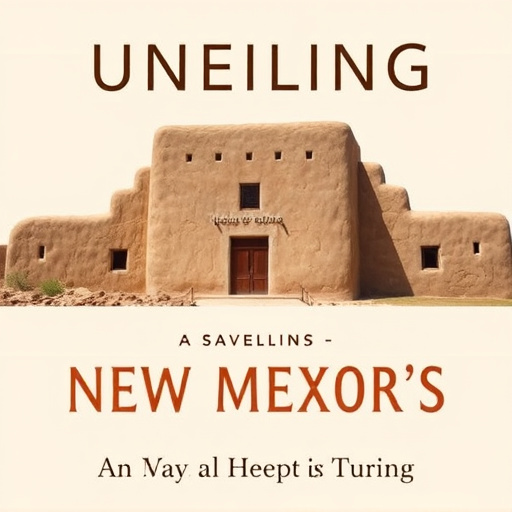
New Mexico travel tips emphasize exploring diverse landmarks for a deep dive into history. Ancient Pueblo settlements, Spanish colonial architecture, Native American heritage sites, and historic routes like the Old Spanish Trail offer multifaceted insights. Engaging with these locations and local culture allows visitors to appreciate New Mexico's unique tapestry of indigenous traditions, Spanish influence, and Mexican heritage. Museums further enhance understanding of this rich multicultural past.
New Mexico is a treasure trove of historical sites and landmarks, offering visitors a unique glimpse into the region’s rich past. However, navigating these cultural treasures can be overwhelming, especially for first-time travelers. This article presents an authoritative guide, tailored to New Mexico Travel Tips, designed to deepen your understanding and appreciation of the area’s history. We’ll explore key locations that showcase the diverse cultural influences that have shaped New Mexico over centuries, providing insights into its indigenous heritage, Spanish colonial legacy, and American frontier history.
- Discover New Mexico's Rich History Through Iconic Landmarks
- Explore Cultural Tapestry: Historic Sites & New Mexico Travel Tips
Discover New Mexico's Rich History Through Iconic Landmarks

New Mexico boasts a vibrant history woven into its stunning landscapes and cultural heritage, offering visitors an unparalleled opportunity to delve into the region’s rich tapestry. Iconic landmarks across the state serve as portals to the past, allowing travelers to step back in time and witness centuries-old traditions and architectural marvels. Exploring these historical sites is not merely a tourist attraction but a crucial New Mexico travel tip for those seeking a deep-rooted understanding of the state’s diverse cultures and its evolution over millennia.
One such landmark is the ancient Pueblo settlements, notably Chaco Culture National Historical Park. This UNESCO World Heritage Site preserves the remnants of a once-thriving civilization that flourished between 900 and 1300 AD. Here, visitors can wander through majestic stone structures like the Great House, gaining insights into the advanced engineering and astronomical knowledge possessed by these early inhabitants. Another must-visit is the historic Santa Fe, known for its vibrant art scene and architectural heritage. The Palace of the Governors, a well-preserved colonial building, stands as a testament to the region’s Spanish influence, while the city’s numerous museums offer a glimpse into Native American and Hispanic cultural history.
For those intrigued by Native American heritage, the petroglyphs and pictographs scattered across the state provide a captivating window into the past. These ancient artworks, found in places like White Sands National Park, tell stories of ancestral cultures that once roamed these lands. Additionally, historic routes like the Old Spanish Trail offer a chance to retrace the steps of early explorers and traders, highlighting the complex web of connections between diverse communities. By engaging with these historical sites, visitors can gain a profound appreciation for New Mexico’s multifaceted history, making their travel experience both enriching and unforgettable.
Explore Cultural Tapestry: Historic Sites & New Mexico Travel Tips

New Mexico, with its rich cultural heritage and diverse history, offers travelers a unique opportunity to explore a historical tapestry woven from indigenous traditions, Spanish colonial influences, and Mexican heritage. To truly understand the region, immersing yourself in its historic sites and landmarks is essential. Each location tells a story, offering insights into the lives of those who came before, shaping the vibrant cultural mosaic that defines New Mexico today.
One of the best ways to experience this cultural tapestry is by visiting iconic landmarks like the ancient Pueblo ruins at Chaco Culture National Historical Park, where you can stand amidst the towering structures and imagine the everyday lives of the Ancestral Puebloans. Alternatively, explore the charming Spanish colonial architecture in Santa Fe’s historic downtown, a testament to centuries of cultural exchange between Native Americans and Europeans. New Mexico Travel Tips suggest allocating ample time for these immersive experiences, as they provide a deeper understanding of the region’s complex history and its ongoing influence on contemporary culture.
Beyond iconic landmarks, numerous museums and cultural centers offer a more nuanced look at New Mexico’s past. The Georgia O’Keeffe Museum in Santa Fe, for instance, showcases the works of this renowned artist who captured the breathtaking landscapes of the Southwest. Similarly, the International Folk Art Museum provides a global perspective on traditional art forms, reflecting the region’s rich multicultural heritage. Engaging with these cultural institutions allows visitors to delve into the intricate stories and traditions that have contributed to New Mexico’s unique identity. By combining visits to historic sites and immersing yourself in local culture, travelers can gain a profound appreciation for the regional diversity and enduring legacies that continue to shape New Mexico’s vibrant tapestry.
By exploring New Mexico’s iconic landmarks and delving into its rich cultural tapestry, visitors gain a profound understanding of the region’s history and diverse heritage. This article has illuminated key historical sites, offering valuable New Mexico travel tips for an immersive experience. Through these insights, travelers can navigate not just the geography but also the intricate narrative woven into every corner of this captivating state. Armed with this knowledge, visitors are encouraged to explore beyond the surface, uncovering hidden gems and stories that have shaped New Mexico’s indelible character.