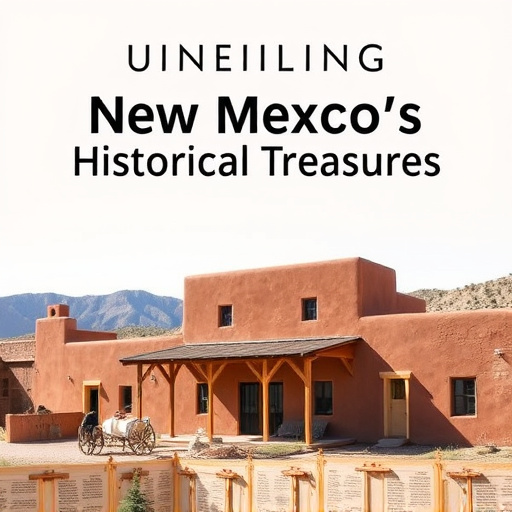
New Mexico Travel Tips offer a rich cultural exploration through diverse historical sites. Key landmarks include ancient pueblos like Chaco Culture National Historical Park, showcasing pre-Columbian engineering and art. Colonial towns like Santa Fe display Spanish colonial architecture. Historic ranches reflect Western frontier history. Visiting these sites immerses travelers in New Mexico's complex narrative of indigenous cultures, Spanish legacies, and frontier past, fostering appreciation for its unique cultural tapestry.
Exploring historical sites and landmarks is a gateway to understanding the rich tapestry of any region, and New Mexico is no exception. For those seeking authentic cultural insights and a deeper connection to the past, these destinations offer invaluable New Mexico travel tips. From ancient Pueblo ruins that whisper of bygone civilizations to majestic missions bearing colonial echoes, each site tells a story unique to this breathtaking state. By immersing ourselves in these historical landmarks, we not only enrich our travel experiences but also gain profound appreciation for New Mexico’s complex heritage.
- Unveiling New Mexico's Historical Treasures
- Exploring Ancient Cultures: A Travel Guide
- Essential Landmarks for a Rich Cultural Journey (New Mexico Travel Tips)
Unveiling New Mexico's Historical Treasures
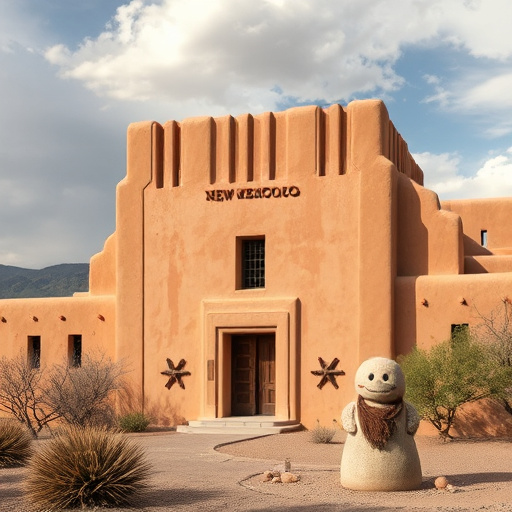
New Mexico boasts a rich historical tapestry woven with indigenous cultures, Spanish colonial legacies, and a vibrant frontier past. Unveiling these hidden treasures offers visitors an immersive experience and a deeper understanding of the region’s complex narrative. Historical sites in New Mexico Travel Tips include ancient pueblos that provide glimpses into pre-Columbian civilizations, striking reminders of their advanced architectural and agricultural skills. For instance, the Chaco Culture National Historical Park showcases the remarkable engineering of ancestral Puebloans, while the Bandelier National Monument reveals cave dwellings and rock art that date back thousands of years.
Delving deeper into the state’s past, colonial towns like Santa Fe and Taos offer a window to Spain’s influence in the 16th and 17th centuries. Stunning examples include the historic adobe buildings in Santa Fe’s Canyon Road arts district, as well as the exquisite architecture and vibrant artistic traditions of Taos. These destinations not only showcase the region’s architectural heritage but also provide insights into the cultural exchange between Native Americans, Spanish settlers, and later Anglo-American influences.
Furthermore, exploring New Mexico’s historical landmarks allows visitors to step back in time along the state’s diverse landscapes. The Mesilla Valley, for example, is dotted with historic ranches that reflect the region’s cattle-driven economy and Western frontier history. Each site tells a unique story, from the struggle for independence during the Mexican era to the rugged life of early settlers and the rich cultural heritage of the indigenous peoples who have called this land home for centuries. By immersing oneself in these historical treasures, visitors can gain a profound appreciation for New Mexico’s multifaceted past.
Exploring Ancient Cultures: A Travel Guide
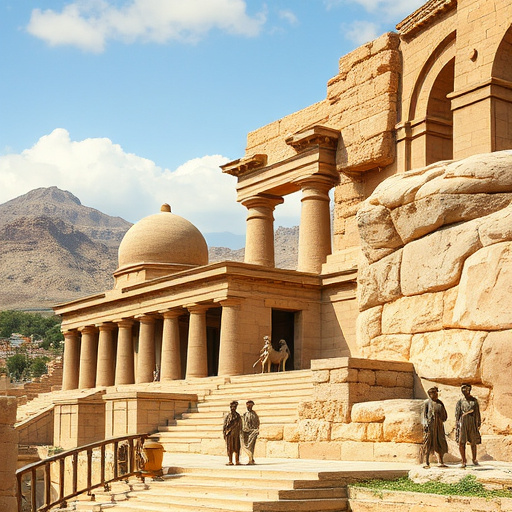
Exploring Ancient Cultures in New Mexico offers a captivating journey through time, providing a deeper understanding of this region’s rich history. This state is a treasure trove for cultural enthusiasts, boasting numerous archaeological sites that paint a vivid picture of past civilizations. One of the most iconic landmarks is Chaco Culture National Historical Park, home to remarkable ancient pueblos. These stone structures, built by the Ancestral Puebloans between 900 and 1250 CE, stand as a testament to their advanced architectural skills. New Mexico Travel Tips recommend allowing ample time to explore this vast park, where every turn reveals new insights into an ancient way of life.
The state’s diverse landscapes also showcase the cultural evolution of its indigenous peoples. For instance, the petroglyphs found in White Sands National Park offer a glimpse into the hunting and gathering traditions of early Native Americans. These intricate rock carvings depict animals, symbols, and everyday activities, providing a unique link to the past. Additionally, sites like the Ancient City of Taos provide a window into the cultural blend that has shaped New Mexico over centuries, where traditional Pueblo and Spanish influences intertwine.
New Mexico’s historical sites not only educate but also inspire. Visiting these ancient landmarks allows travelers to connect with the region’s deep-rooted cultural heritage. It is essential to approach these places with respect and an open mind, understanding the importance of preserving their integrity for future generations. By immersing oneself in these historic settings, one can gain a profound appreciation for New Mexico’s unique and diverse cultural tapestry.
Essential Landmarks for a Rich Cultural Journey (New Mexico Travel Tips)
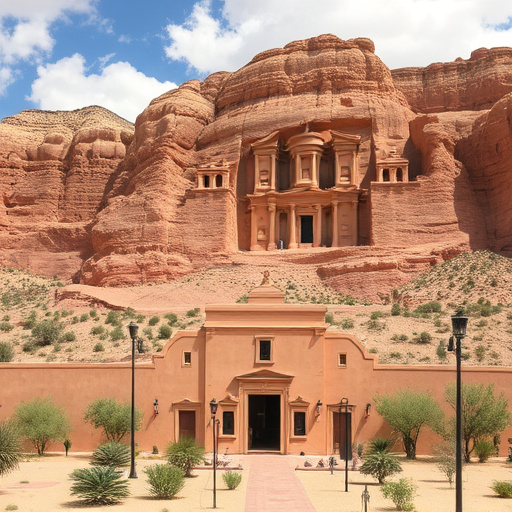
New Mexico is a treasure trove of historical sites and landmarks that offer a profound and immersive experience for travelers eager to delve into the region’s rich cultural heritage. For those looking to embark on a meaningful journey through time, several essential landmarks stand out as must-visit destinations. These places not only provide insights into the state’s complex history but also serve as vibrant tapestry of indigenous cultures, colonial legacies, and modern artistic expressions.
One cannot discuss New Mexico travel tips without mentioning the ancient ruins of Chaco Canyon. This National Historical Park is a testament to the architectural marvels of the Ancestral Puebloans, showcasing their sophisticated knowledge of engineering and urban planning. Wander through the remnants of these once-thriving communities and imagine the daily lives of these ancient peoples. Similarly, the historic district of Santa Fe offers a glimpse into the region’s diverse cultural influences. From the distinctive adobe architecture to the vibrant art scene, Santa Fe’s landscape is a symphony of Spanish colonial, Native American, and modern aesthetics. Exploring its numerous museums and galleries provides an in-depth look into the area’s rich artistic heritage.
For a more intimate historical experience, visit the historic sites scattered across the state’s vast landscapes. The ancient ruins of Mesa Verde National Park, with its towering sandstone cliffs and well-preserved dwellings, offer a glimpse into the lives of the Ancestral Puebloans. Moreover, the cultural and historical significance of places like the Bandelier National Monument, with its cave dwellings and rock art, provide profound insights into the region’s indigenous history. These landmarks not only enhance one’s understanding of New Mexico but also foster a deeper connection to the land and its people, making them invaluable stops for any traveler seeking an authentic cultural journey.
In exploring New Mexico’s historical sites and landmarks, this article has provided an authoritative guide for a deeper understanding of the region’s rich cultural heritage. Key insights include the importance of uncovering ancient treasures, such as those found in archaeological sites that offer glimpses into vibrant past civilizations. Understanding the diverse cultures that have shaped New Mexico is essential, with Native American traditions and Spanish colonial influences leaving indelible marks on the landscape and local customs. By following practical New Mexico travel tips outlined here, visitors can navigate their journey effectively, ensuring they experience the essence of each landmark. These insights empower travelers to delve into a meaningful cultural exploration, fostering a profound appreciation for the region’s historical tapestry.