New Mexico boasts a rich archaeological heritage with sites like Chaco Canyon showcasing ancient Puebloan civilizations. Key attractions include Gran Quivira National Monument and Bandelier National Monument. Local experts enhance the experience. New Mexico Travel Tips: Allow ample time, bring water, and consider guided tours. Museums like the New Mexico Museum of Art offer historical artifacts and art reflecting the state's diverse culture. Engaging with local folklore, such as La Llorona, provides deeper cultural insights. Landmarks like Chaco Culture Park and lesser-known spots like Lincoln County Courthouse offer unique historical perspectives.
Exploring historical sites and landmarks is a gateway to understanding the rich tapestry of any region. In New Mexico, with its unique blend of Native American, Spanish, and Mexican influences, these treasures offer profound insights into the state’s past. However, navigating this vast cultural landscape can be daunting for visitors, especially those seeking authentic experiences. This article presents a curated guide, offering practical New Mexico travel tips to help you uncover hidden gems and immerse yourself in the region’s captivating history, fostering a deeper connection with its stories and people.
- Unveiling Ancient Cultures: New Mexico's Archeological Treasures
- Iconic Landmarks: Exploring the State's Historic Sites
- Time Travel Through Art: Museums and Their Narratives
- Local Legends and Hidden Gems: Off-the-Beaten-Path Discoveries (New Mexico Travel Tips)
Unveiling Ancient Cultures: New Mexico's Archeological Treasures
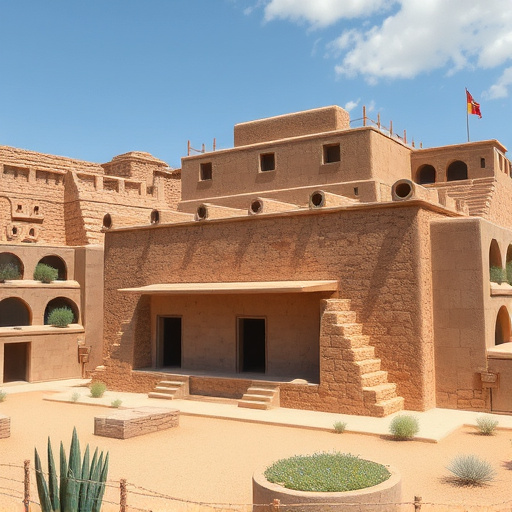
New Mexico is a treasure trove for archaeologists and history enthusiasts alike, offering a window into the rich tapestry of ancient cultures that once thrived in the region. Uncovering New Mexico’s archaeological treasures provides a profound understanding of its diverse past, from the mysterious Ancestral Puebloan civilizations to the vibrant Native American tribes. This state boasts an abundance of historical sites and landmarks, each telling a unique story that adds depth to our knowledge of human history here. By exploring these ancient remains, visitors can gain insights into the daily lives, traditions, and advanced architectural skills of bygone eras.
One of the most remarkable aspects of New Mexico’s archaeological heritage is the well-preserved ruins and settlements scattered across various landscapes. The Chaco Canyon, located in northwestern New Mexico, is a prime example, home to the ancient Puebloan culture that flourished between 900 and 1300 AD. Here, visitors can walk among towering cliff dwellings, marvel at intricate stonework, and learn about this sophisticated society’s complex social structures and agricultural practices. The Mesas and buttes of the canyon offer breathtaking views, enhancing the sense of awe and wonder as one contemplates the achievements of these ancient people. New Mexico travel tips for this region include allowing ample time to explore, bringing water, and considering guided tours for a deeper understanding.
Beyond Chaco Canyon, numerous other sites showcase the diverse cultural influences that have shaped New Mexico over millennia. The ancient ruins of Gran Quivira National Monument, with its intricate pithouses and great kiva, offer a glimpse into the life of the Puebloan people. Meanwhile, the petroglyphs and rock art found in places like the Bandelier National Monument provide visual narratives of early Native American cultures. These sites not only highlight the artistic expressions of these civilizations but also serve as important cultural connections for modern-day tribes. Engaging with local experts or attending archaeological talks can greatly enhance a visitor’s experience, offering insights into ongoing research and the preservation efforts that safeguard these treasures for future generations.
Iconic Landmarks: Exploring the State's Historic Sites

New Mexico is a state brimming with historical sites and landmarks that offer a profound window into its rich cultural heritage and diverse past. Iconic landmarks such as ancient Pueblo ruins, Spanish colonial missions, and majestic mountain ranges serve as testaments to the region’s resilience and evolution over centuries. Exploring these historic sites not only enriches one’s understanding of New Mexico but also provides valuable New Mexico travel tips for visitors eager to delve into its multifaceted history.
The state boasts some of the best-preserved archaeological sites in the country, most notably the Chaco Culture National Historical Park, where visitors can wander through the remnants of a once-thriving prehistoric community. These ancient structures, built by the Ancestral Puebloans between 900 and 1300 AD, stand as silent witnesses to their sophisticated societal organization and advanced architectural skills. Similarly, the historic districts of Santa Fe and Taos provide a glimpse into the region’s Spanish colonial past, with charming adobe buildings, vibrant art galleries, and museums showcasing the cultural blend that has defined New Mexico for centuries.
For those seeking a deeper connection with the state’s history, visiting key landmarks like White Sands National Park or the Carlsbad Caverns offers unique perspectives on New Mexico’s geological history. These natural wonders not only showcase the region’s dramatic landscapes but also provide insights into its geologically diverse past. By engaging with these historical sites and landmarks, visitors can gain a profound appreciation for New Mexico’s complex tapestry of cultures and events that have shaped it over time, making their travel experience both educational and unforgettable.
Time Travel Through Art: Museums and Their Narratives

Time travel through art is a powerful way to delve into the rich history and cultural tapestry of any region. In New Mexico, museums serve as crucibles where the past and present converge, offering visitors a unique opportunity to explore the state’s diverse narratives. From the ancient Pueblo cultures to the vibrant contemporary art scene, these institutions provide a comprehensive understanding of New Mexico’s evolution.
The New Mexico Museum of Art, nestled in Santa Fe, is a prime example. Its collection showcases the state’s artistic heritage, ranging from traditional Native American art to contemporary masterpieces. By immersing oneself in these exhibits, travelers can gain insights into the region’s artistic movements and the people who shaped them. Similarly, the New Mexico History Museum in Santa Fe provides a detailed narrative of the state’s history, from its indigenous roots to the Spanish colonial era and beyond. Interactive displays and meticulously preserved artifacts bring New Mexico’s past to life, making it an essential stop for those seeking to understand the region’s complex tapestry.
For a more focused exploration, the Georgia O’Keeffe Museum in Santa Fe is a must-visit. Dedicated to the renowned artist who found inspiration in New Mexico’s landscapes, the museum offers a profound understanding of her life and work. This intimate setting allows visitors to appreciate the intricate details of O’Keeffe’s paintings, many of which capture the distinctive landscapes and flora of the region. By engaging with these museums, New Mexico travelers can transcend mere sightseeing, engaging in a profound cultural exchange that enriches their overall travel experience. Leveraging New Mexico travel tips, such as visiting during quieter hours or participating in guided tours, can further enhance this immersive journey through art and history.
Local Legends and Hidden Gems: Off-the-Beaten-Path Discoveries (New Mexico Travel Tips)

New Mexico is a treasure trove for those seeking historical insights through its myriad landmarks and hidden gems. Beyond the well-trodden paths lie captivating local legends and off-the-beaten-path discoveries that offer a unique perspective on the region’s rich heritage. One such example is the ancient pueblo ruins of Chaco Culture National Historical Park, where visitors can explore the intricate architecture and gain a profound understanding of the Ancestral Puebloan people who once thrived there. These sites aren’t just historical; they’re windows into a way of life that has shaped New Mexico’s identity.
Locals often point travelers towards lesser-known yet fascinating spots like the historic Lincoln County Courthouse in Lincoln, a striking example of Victorian architecture that played a pivotal role in the region’s legal history. Similarly, the ghost towns scattered across the state, such as Old Carlsbad and White Sands, tell tales of past mining booms and community life, offering visitors a glimpse into New Mexico Travel Tips for navigating these forgotten corners. These hidden gems often provide more authentic experiences, allowing travelers to connect with the region’s complex narrative on their own terms.
Engaging with local legends further enriches the travel experience. The story of La Llorona, or the Weeping Woman, has echoed through generations in New Mexico, tied to various locations across the state. Exploring these locales—like the Rio Grande River, where her tragic tale is said to have unfolded—not only satisfies curiosity but also invites travelers into the local folklore and cultural consciousness. These unique narratives, passed down through centuries, highlight the enduring connection between place and story, making New Mexico Travel Tips essential for those eager to delve deeper into its historical tapestry.
Exploring New Mexico’s historical sites offers a profound journey into its ancient cultures, as evidenced by the state’s archaeological treasures. Iconic landmarks serve as tangible connections to the past, while museums provide narratives that bring history to life through art and storytelling. Local legends and hidden gems, off the beaten path, reveal lesser-known yet captivating aspects of the region. By delving into these various aspects, travelers gain a deeper understanding not only of New Mexico’s rich tapestry but also invaluable New Mexico travel tips for discovering authentic experiences that transcend the surface level. This authoritative article equips readers with the knowledge to navigate and appreciate the state’s historical landscape like never before.