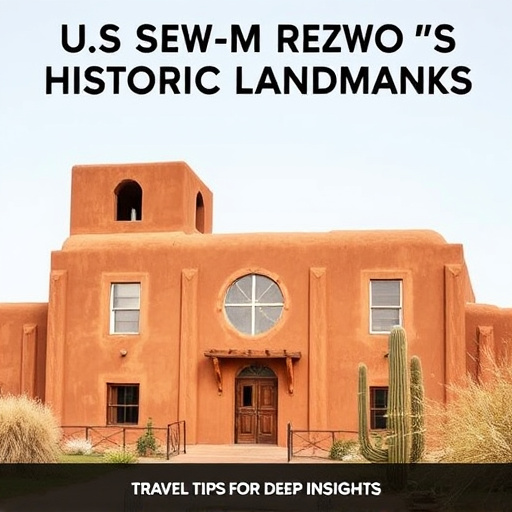
New Mexico offers a rich historical experience with diverse sites showcasing ancient cultures, Native American influences, and complex architectures like Chaco Canyon. Key New Mexico Travel Tips include planning ahead, utilizing guided tours for context, checking weather forecasts, and packing appropriately to fully immerse oneself in the state's narrative. Engaging with locals and exploring lesser-known archaeological gems foster a deeper appreciation for New Mexico's cultural tapestry.
Exploring historical sites and landmarks is a gateway to understanding the rich tapestry of any region, and New Mexico is no exception. For those seeking an authentic experience, delving into these cultural treasures offers a unique perspective on the state’s past. However, with countless options available, from ancient Pueblo ruins to vibrant historic districts, navigating this heritage can be a challenge for visitors. This article provides an authoritative guide, offering valuable insights and New Mexico travel tips to help travelers uncover the region’s deep-rooted history and cultural significance. Prepare to embark on a journey through time as we unveil the must-visit historical sites that will enrich your understanding of New Mexico’s vibrant narrative.
- Unveiling New Mexico's Historical Treasures
- Exploring Ancient Cultures: A Travel Guide
- Landmark Insights: Deepen Your Region Understanding
Unveiling New Mexico's Historical Treasures
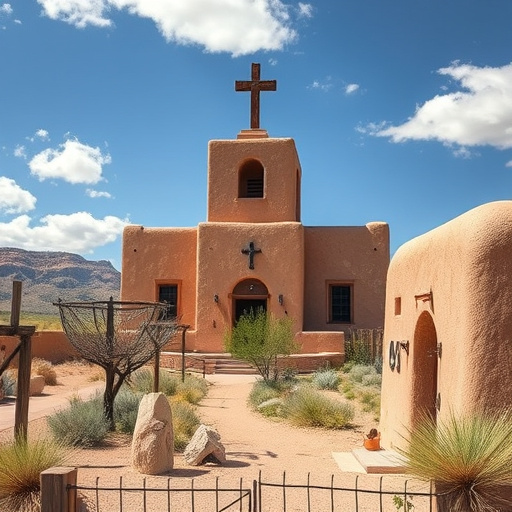
New Mexico is a treasure trove for history enthusiasts, offering a diverse range of historical sites and landmarks that paint a vivid picture of the region’s past. Uncovering these hidden gems provides visitors with an immersive experience, allowing them to step back in time and witness the evolution of this captivating state. From ancient Pueblo ruins to vibrant cultural centers, each location tells a unique story. For instance, the Chaco Culture National Historical Park showcases the remarkable architecture and advanced societal structures of the Ancestral Pueblos, while the Bandelier National Monument provides insights into the lives of both the ancestral pueblos and early European settlers.
Exploring these historical sites is not just an educational endeavor but also an opportunity to engage with New Mexico’s rich cultural heritage. The state boasts a vibrant tapestry of Native American, Hispanic, and Anglo-American influences, all woven together over centuries. Visiting museums and cultural centers like the Georgia O’Keeffe Museum in Santa Fe or the International Folk Art Museum in Albuquerque offers a chance to appreciate this diverse artistic expression. New Mexico Travel Tips recommend allocating ample time for exploring these sites, as each holds unique insights into the region’s history and culture.
Practical considerations are essential when delving into New Mexico’s historical treasures. Many of these sites are spread across vast landscapes, so planning ahead is crucial. Utilizing detailed maps or guided tours can enhance the experience by providing context and ensuring visitors don’t miss hidden gems. Additionally, New Mexico’s climate varies greatly, so checking weather forecasts and packing appropriately is vital for a comfortable and memorable journey. By embracing these tips, travelers can fully immerse themselves in the historical narrative that defines this enchanting state.
Exploring Ancient Cultures: A Travel Guide
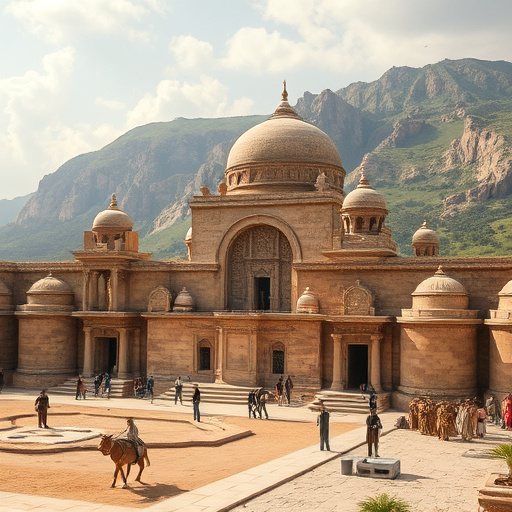
Exploring ancient cultures offers a profound window into the region’s history and diversity. New Mexico, with its rich archaeological heritage, is a traveler’s paradise for those seeking to uncover the secrets of past civilizations. Sites like Chaco Canyon, a UNESCO World Heritage Site, provide a glimpse into the advanced agricultural practices and complex social structures of the Ancestral Puebloans. This ancient community, which flourished between 900 and 1300 AD, left behind remarkable architectural achievements, such as the intricate stone buildings at Chepe and the majestic structures at Aztec Ruins National Monument.
To fully immerse yourself in New Mexico Travel Tips for exploring ancient cultures, consider joining guided tours led by expert archeologists or local historians. These professionals can provide valuable insights into the daily lives of these early peoples, shedding light on their art, spirituality, and trade networks. The state’s diverse landscapes, ranging from desert plains to rugged mountains, further enhance the experience, offering scenic backdrops that transport you through time. Additionally, many cultural centers and museums showcase artifacts and exhibits that bring these ancient cultures to life, allowing visitors to gain a deeper understanding of their impact on the region today.
Beyond iconic sites, venturing off the beaten path reveals lesser-known but equally fascinating archaeological gems. Places like the Bandelier National Monument, with its cave dwellings and rock art, offer a chance to explore ancestral living spaces and connect with the artistic expressions of these cultures. Engaging in these immersive experiences fosters a profound appreciation for New Mexico’s cultural tapestry, making your journey through history not just informative but deeply moving.
Landmark Insights: Deepen Your Region Understanding

Exploring historical sites is a gateway to understanding a region’s essence. In New Mexico, where a rich tapestry of cultures intertwine, landmarks offer profound insights into its unique history. For instance, Chaco Canyon, a UNESCO World Heritage Site, reveals the advanced architectural achievements of the Ancestral Puebloans, providing a glimpse into their complex society and sophisticated knowledge of astronomy. This ancient city, nestled in the heart of New Mexico, is just one example of how historical sites can paint a vivid picture of the past.
New Mexico travel tips encourage visitors to venture beyond the modern cities. Sites like the Georgia O’Keeffe Museum in Santa Fe offer a cultural lens into the region’s artistic heritage, showcasing the works of the renowned painter who captured New Mexico’s stark beauty on canvas. Additionally, ancient Pueblo villages and ancestral ruins scattered across the state provide tangible links to the indigenous peoples who have inhabited these lands for millennia. Exploring these sites allows visitors to appreciate the resilience and continuity of Native American cultures in New Mexico.
To deepen understanding, consider attending cultural events and interacting with locals. Many historical landmarks host interpretive programs that bring history to life, offering insights from experts and community members. Engaging with these experiences not only enriches knowledge but also fosters a deeper connection to the region’s spirit. Whether delving into archaeological excavations or participating in traditional ceremonies, visitors can gain a nuanced perspective on New Mexico’s complex and vibrant history.
By exploring New Mexico’s historical sites and landmarks, travelers gain a profound understanding of the region’s rich cultural heritage. This article has provided valuable insights into uncovering the state’s ancient treasures, guiding you through the journey of discovering diverse cultures that have shaped its landscape. From archaeological wonders to architectural marvels, each landmark tells a unique story. Incorporating these New Mexico travel tips into your itinerary allows for a deeper connection with the local history and offers unforgettable experiences. Remember, immersing yourself in these historical sites is not just about visiting; it’s about engaging with the past, present, and future of this captivating region.