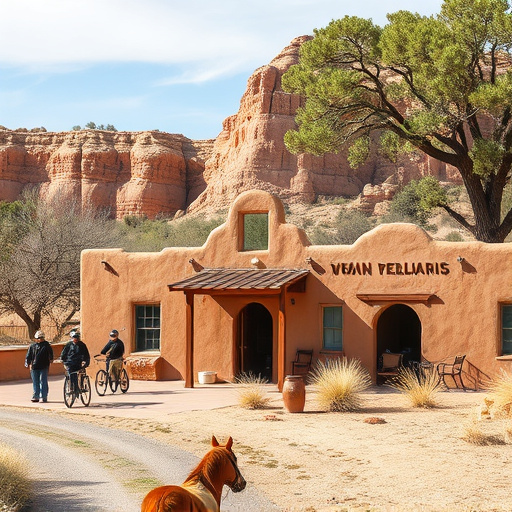
New Mexico Travel Tips: Explore ancient Pueblo villages like Chaco Canyon for historical insights and remarkable architecture. Visit Santa Fe's historic district to experience cultural diversity. Engage with local guides, participate in events, and visit museums for an immersive understanding of the region's rich history and vibrant tapestry. Research sites aligned with your interests, visit during spring or fall, and discover lesser-known gems for a rewarding journey through New Mexico's dynamic past.
Exploring historical sites and landmarks is a gateway to understanding any region’s unique narrative. For New Mexico, this journey delves into a rich tapestry woven with indigenous heritage, Spanish colonial influence, and American history. However, navigating this legacy can be challenging for travelers unfamiliar with the nuances of New Mexico culture and its diverse past. This article offers authoritative insights and practical New Mexico travel tips to enrich your experience. By highlighting key historical sites, we aim to foster a deeper connection to the region’s soul, ensuring your visit is not just a tour but an immersive educational journey.
- Unveiling New Mexico's Historical Treasures: A Travel Guide
- Exploring Landmarks: Deepen Your Connection to New Mexico's Past
Unveiling New Mexico's Historical Treasures: A Travel Guide
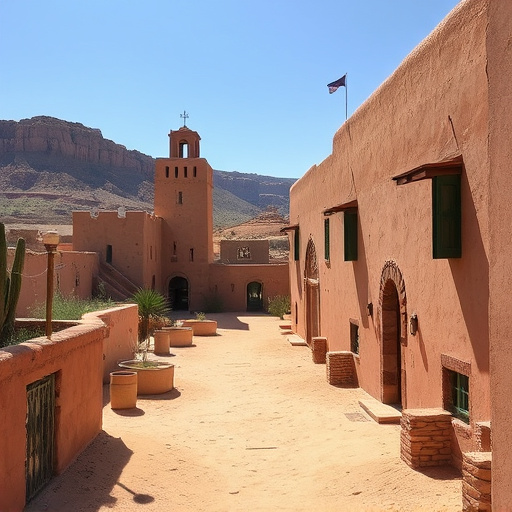
New Mexico is a treasure trove for history enthusiasts, offering a unique blend of indigenous cultures, colonial heritage, and vibrant modern life. To truly understand this captivating region, exploring its historical sites and landmarks is essential. From ancient Pueblo villages to Spanish missions and rugged landscapes that have inspired artists over the centuries, each corner of New Mexico tells a story. One of the best ways to experience this depth of history is through immersive travel experiences that allow visitors to connect with the past on a personal level.
For instance, touring the ancient ruins of Chaco Canyon provides a glimpse into the advanced architecture and complex social structures of the Ancestral Puebloans. This National Historical Park stands as a testament to their ingenuity, showcasing towering great houses and intricate stonework that continue to captivate modern visitors. Similarly, Santa Fe’s historic district offers a walk through time, with buildings that reflect the region’s rich cultural mix—from traditional Pueblo-style homes to elegant Spanish colonial structures. Exploring these sites isn’t just about seeing landmarks; it’s about engaging with the stories and memories that have shaped New Mexico into what it is today.
New Mexico travel tips for maximizing historical insights include seeking out local guides who can offer nuanced perspectives, participating in cultural events and festivals that celebrate the region’s heritage, and visiting museums that house artifacts and archives telling the area’s story. By immersing themselves in these experiences, travelers can gain a deeper appreciation for New Mexico’s complex history and vibrant cultural tapestry. Ultimately, these historical sites aren’t just tourist attractions; they are living testaments to the resilience and creativity of communities that have called this land home for centuries.
Exploring Landmarks: Deepen Your Connection to New Mexico's Past

New Mexico is a treasure trove of historical sites and landmarks that offer a profound connection to its rich past. Exploring these places isn’t just a touristic endeavor; it’s an immersive experience that deepens your understanding of the region’s diverse cultures, vibrant history, and unique landscape. For instance, Santa Fe’s Palace of the Governors stands as a living testament to the state’s Spanish colonial heritage, while the ancient ruins at Chaco Canyon whisper tales of a once-thriving Pueblo culture. These landmarks provide more than just visual spectacle; they serve as gateways to New Mexico’s story, inviting visitors to step back in time and engage with the region’s complex tapestry.
To maximize your historical exploration, consider these New Mexico travel tips. First, plan ahead by researching the sites that resonate most with your interests. Whether you’re drawn to Native American history, Spanish missions, or pre-Columbian ruins, there’s something for every enthusiast. Next, time your visit during optimal seasons to avoid crowds and take in the best weather conditions. Spring and fall often offer pleasant temperatures ideal for exploring outdoor sites like the ancient villages of Bandelier National Monument or the stunning white sand dunes at White Sands National Park. Additionally, engage with local guides or historical societies who can provide insights beyond what signs or textbooks offer, enhancing your experience significantly.
Beyond iconic landmarks, New Mexico’s smaller, lesser-known sites hold equal allure. The historic Lincoln County Courthouse in Ruidoso offers a glimpse into the Wild West era, while the International Folk Art Museum in Santa Fe showcases the global influences that have enriched the state’s cultural heritage. These hidden gems, coupled with the bigger attractions, paint a comprehensive picture of New Mexico’s dynamic history and cultural evolution. Embracing this diversity is key to a rewarding visit, allowing you to step into the region’s past while standing in the present.
By exploring New Mexico’s historical sites and landmarks, travelers gain a profound understanding of the region’s rich past. This article has guided readers through various treasures, from ancient Pueblo ruins to vibrant cultural museums, offering practical New Mexico travel tips for an immersive experience. Key insights include the importance of contextualizing visits with local history lessons and engaging with community-led tours to foster authentic connections. Embracing these practices allows visitors to delve deeper into New Mexico’s complex tapestry, ensuring a memorable journey that goes beyond surface-level attraction. Armed with this knowledge, travelers can now navigate the state’s historical landscape with purpose, leaving with indelible memories and a renewed appreciation for its diverse heritage.