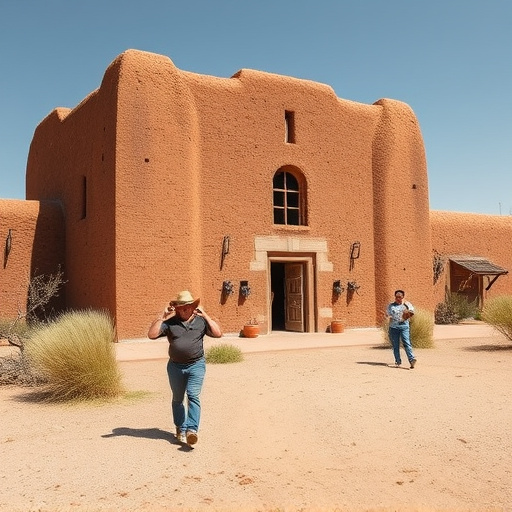
New Mexico travel tips for exploring its rich cultural heritage through historical sites like Chaco Culture National Historical Park, Santa Fe's colonial architecture, Albuquerque's Old Town, and smaller towns' unique gems. Practical advice includes arriving early, dressing appropriately, engaging local guides, respecting sacred spaces, and following site-specific guidelines for guided tours and self-guided exploration. Key destinations offer insights into indigenous cultures, colonial heritage, and modern diversity, preserving New Mexico's historical tapestry.
Exploring historical sites is a gateway to understanding any region's past and New Mexico boasts a rich tapestry of landmarks that tell stories from indigenous civilizations to Spanish colonial times. These sites not only offer a glimpse into our shared history but also serve as vital cultural touchstones, enhancing the travel experience for those seeking authentic connections with their destination. This article provides an authoritative guide, offering New Mexico travel tips on these historical gems, ensuring visitors can delve into the region's depth and complexity.
- Unveiling New Mexico's Cultural Heritage: Landmarks & History
- Explore Ancient Ruins: A Travel Guide to Historic Sites
- New Mexico Tips: Discovering the Region Through Historical Landmarks
Unveiling New Mexico's Cultural Heritage: Landmarks & History
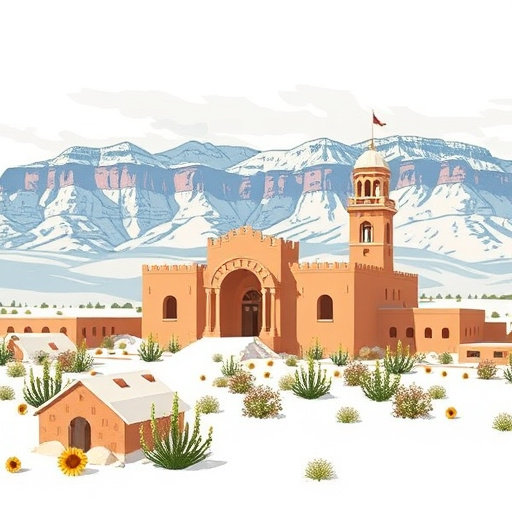
New Mexico's cultural heritage is a rich tapestry woven with threads of diverse indigenous cultures, Spanish colonial influence, and Mexican traditions. Unveiling this heritage through historical sites and landmarks offers visitors an immersive experience that transcends surface-level tourism. Examples like Chaco Culture National Historical Park showcase ancestral Puebloan architecture and artifacts, providing insights into their sophisticated society. These sites not only preserve the past but also foster a deeper understanding of the region's complex history.
Exploring New Mexico through its historical landmarks is akin to turning the pages of a vibrant narrative. Santa Fe's historic district, with its adobe structures and art galleries, whispers tales of the city's distinct blend of Native American, Hispanic, and Anglo influences. Similarly, Albuquerque's Old Town offers a glimpse into the state's Spanish colonial past, complete with authentic architecture and annual celebrations that pay homage to this heritage. New Mexico travel tips for navigating these sites include arriving early to beat the crowds, dressing appropriately for the climate, and engaging with local guides who can bring history to life.
Beyond major attractions, smaller towns like Taos and Mesilla harbor unique historical gems. Taos is renowned for its Pueblo-style architecture and connection to renowned artist Georgia O'Keeffe, while Mesilla's historic plaza epitomizes Mexican frontier life. These hidden gems provide opportunities for more intimate cultural immersion and offer a chance to interact with locals who proudly share their community's stories. For those seeking an authentic New Mexico experience, exploring these lesser-known landmarks is a must.
Preserving historical sites is not just about preserving buildings; it's about safeguarding the stories they tell and the lessons they impart. As visitors delve into New Mexico's cultural heritage, they contribute to the ongoing narrative that defines this captivating state. Whether through grand monuments or intimate experiences, each landmark offers a unique chapter in understanding New Mexico's rich tapestry of history and culture.
Explore Ancient Ruins: A Travel Guide to Historic Sites
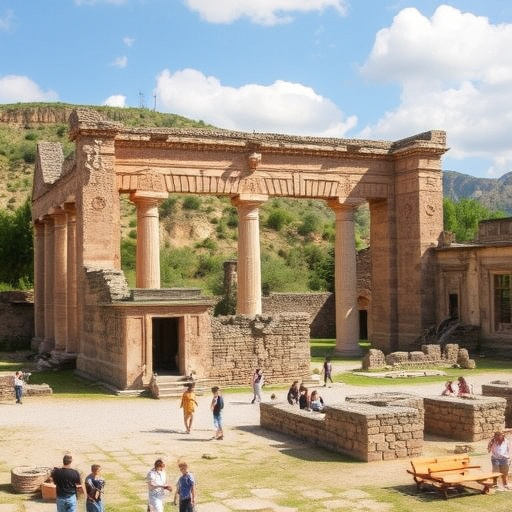
Exploring ancient ruins offers an unparalleled glimpse into New Mexico's rich history and cultural heritage. This captivating journey through time allows visitors to stand in awe before structures that have withstood the test of centuries, weaving a narrative of bygone civilizations. From majestic Pueblo ruins nestled amidst rugged landscapes to elegant ancestral homes adorned with intricate carvings, these sites serve as powerful reminders of New Mexico's indigenous past. For instance, the ancient ruins of Chaco Culture National Historical Park showcase the remarkable architectural achievements and complex social structures of the Ancestral Puebloans, who once inhabited this remote desert sanctuary.
Traveling through New Mexico, you'll encounter a diverse array of cultural heritage sites that paint a vivid picture of the region's dynamic history. Each ruin tells a unique story, whether it's about the thriving agricultural societies of the Apache and Navajo tribes or the mysterious cultures that flourished in the ancient kivas and pueblos. By visiting these historical landmarks, travelers can gain profound insights into New Mexico's diverse indigenous communities and their enduring legacies. Following New Mexico travel tips, such as seeking guided tours for deeper context and respecting sacred spaces, enhances the experience while fostering cultural sensitivity.
Practical considerations are paramount when exploring ancient ruins. Many sites offer self-guided tours, providing an opportunity to immerse yourself at your own pace. Ensure you bring appropriate footwear, sun protection, and water, especially when trekking through remote areas. Additionally, familiarize yourself with opening hours and admission fees, as some sites may have seasonal variations. Embracing these New Mexico travel tips allows visitors to approach these historical sites with respect and appreciation for their cultural significance while ensuring a safe and memorable experience.
New Mexico Tips: Discovering the Region Through Historical Landmarks
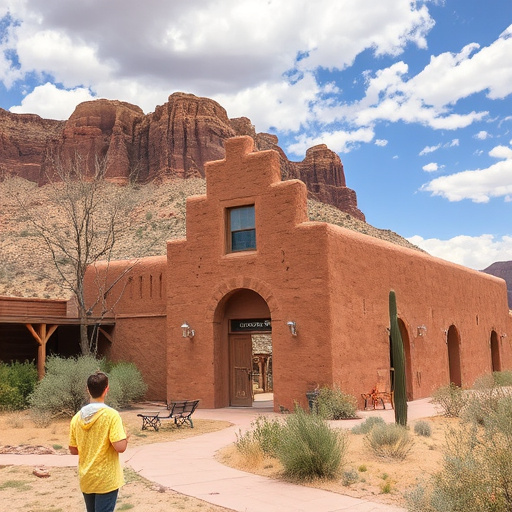
New Mexico is a state rich in history and culture, offering travelers an opportunity to delve into its past through numerous historical sites and landmarks. Exploring these locations provides a deeper understanding of the region's diverse indigenous cultures, colonial heritage, and unique modern identity. One of the most iconic landmarks is Chaco Culture National Historical Park, where ancient Puebloan architecture and artifacts provide insights into their sophisticated societal structures. This park, with its towering great houses, serves as a powerful reminder of the resilience and ingenuity of these ancestral communities.
Santa Fe, the state capital, is another essential destination for New Mexico travel tips seeking historical immersion. Its vibrant downtown area features stunning colonial-era buildings, including the iconic Palace of the Governors, which has stood since 1610. Wander through the historic districts to experience the blend of Native American, Spanish, and Anglo influences that shape the city's character. Additionally, Santa Fe's numerous museums house extensive collections showcasing the region's rich artistic heritage, from traditional Pueblo pottery to contemporary Native American art.
For a glimpse into the state's more recent past, Albuquerque offers a wealth of historical landmarks. The historic Old Town, with its charming adobe buildings and lively markets, transports visitors back in time. The Anderson-Abruzzo International Balloon Flight, an annual event, celebrates New Mexico's pivotal role in ballooning history. Moreover, exploring the city's diverse cultural districts allows travelers to interact with local communities and gain firsthand perspectives on their histories and traditions. These experiences highlight the importance of historical sites not just as monuments but as vibrant threads weaving together the rich tapestry of New Mexico's past.
By exploring New Mexico's historical sites and landmarks, travelers gain a profound understanding of the region's rich cultural heritage. This article has guided readers through ancient ruins, offering a travel guide to some of the most significant historic locations. Key insights include recognizing the value of these sites in preserving indigenous cultures and their impact on shaping the state's identity. For New Mexico travel tips, it's essential to plan visits that respect local traditions and protect these irreplaceable treasures. Ultimately, immersing oneself in the region's history enriches the travel experience, fostering a deeper connection with both the past and present of this captivating destination.
In 2026, New Mexico continues to be a vibrant tapestry of cultural heritage. Beyond the historical sites mentioned in the original article, modern communities actively preserve and share their indigenous languages, arts, and traditions. Festivals like the International Folk Art Market in Santa Fe celebrate this diversity, attracting artists and visitors from around the world. Additionally, sustainable tourism initiatives focus on respecting ancestral lands and supporting local economies. Engaging with these living cultural practices deepens one's understanding of New Mexico's rich history. Learn more about navigating New Mexico's heritage